
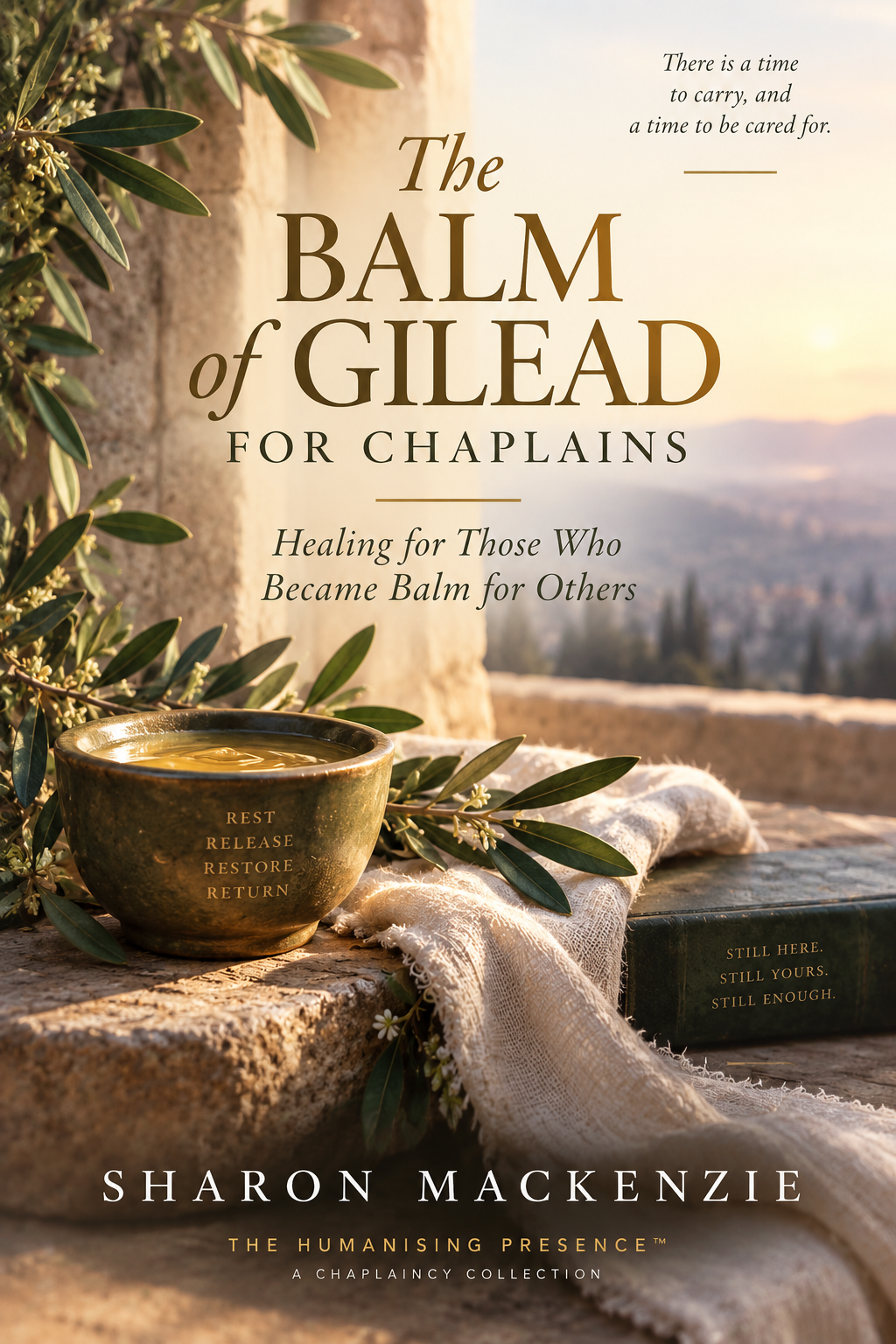
The Balm of Gilead for Chaplains
A faith-shaped companion for personal restoration: rest, release and renewed dignity for chaplains who have poured themselves out for others.
For: Chaplains and spiritual care practitioners
Books by Sharon Mackenzie
Dignity. Agency. Understanding. Belonging.
These twelve books are the foundation the Institute is built on: different ways into the same human questions — how we live, how we care, what harms us and what we can build together.
Institute students read free in The Arcanum, the Institute’s private digital library. Everyone else needs to purchase a subscription. Amazon purchases are separate. Night Fury remains freely available on its public book page.
01 · Philosophy of the collection
A person’s dignity does not depend on usefulness, productivity, agreement or the ease with which they fit into a group. This collection begins there: people deserve room to be themselves, to belong without disappearing and to make informed choices about their own lives.
Agency and accurate responsibility belong together. We can take responsibility for our own conduct without carrying everything around us. Other people remain responsible for their actions; organisations remain responsible for the structures and conditions they create.
Understanding human behaviour and systems helps us recognise, prevent and address harm, and find ways to heal after it. The books offer stories, reflections, practical tools and constructive possibilities—not diagnoses of other people or claims of clinical validation.
Spiritual life is part of this inquiry, with humility in discernment: room for prayer and creative practice, honest questions and a willingness to reconsider what we think we know. The reader’s conscience, agency and choices remain their own.
02 · The collection
Begin with the question closest to you. There is no prescribed reading order.
A faith-shaped companion for personal restoration: rest, release and renewed dignity for chaplains who have poured themselves out for others.
For: Chaplains and spiritual care practitioners
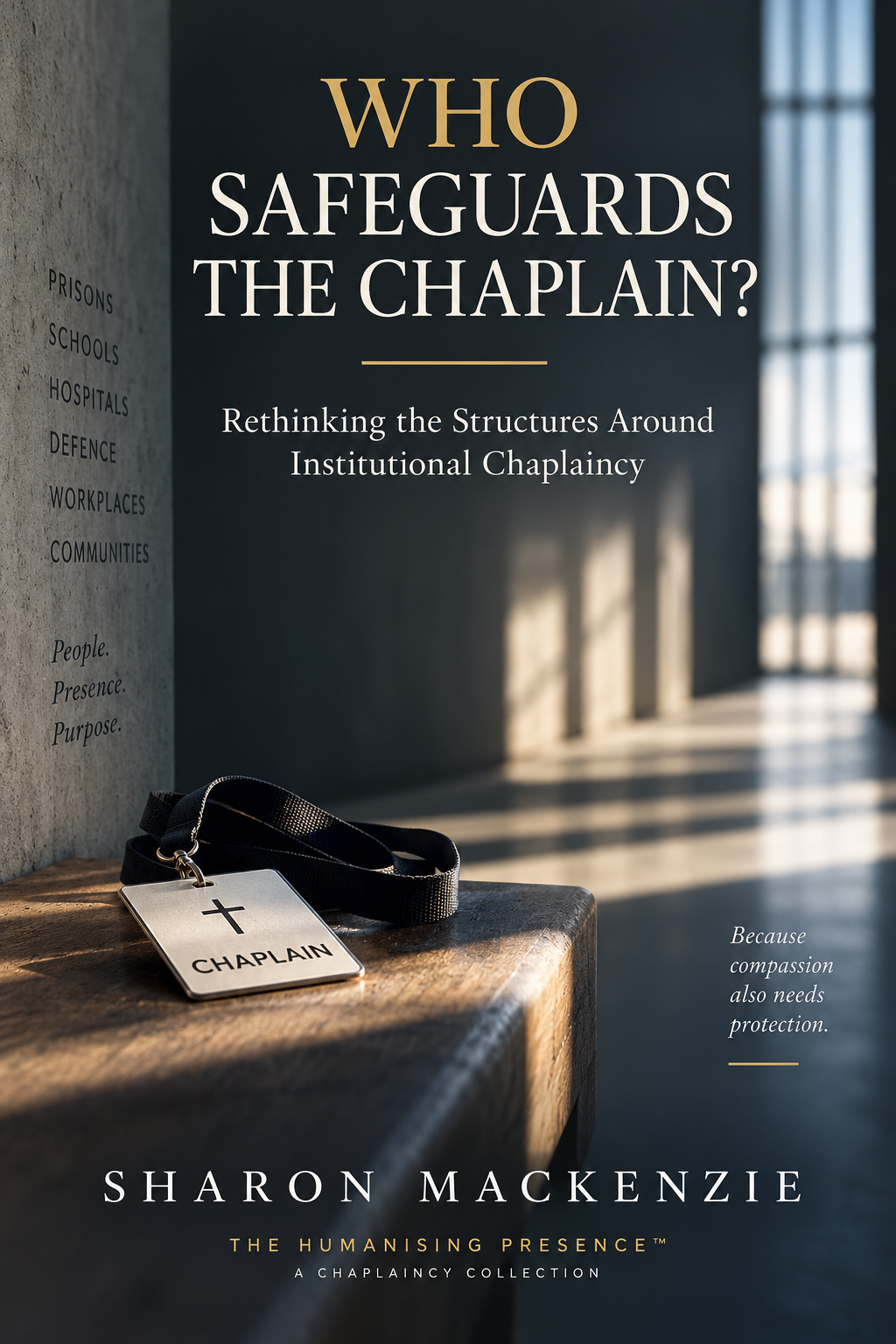
Looks beyond individual resilience to the organisational structures, accountability and protection needed to safeguard the people providing spiritual care.
For: Chaplaincy providers, governors and institutional leaders
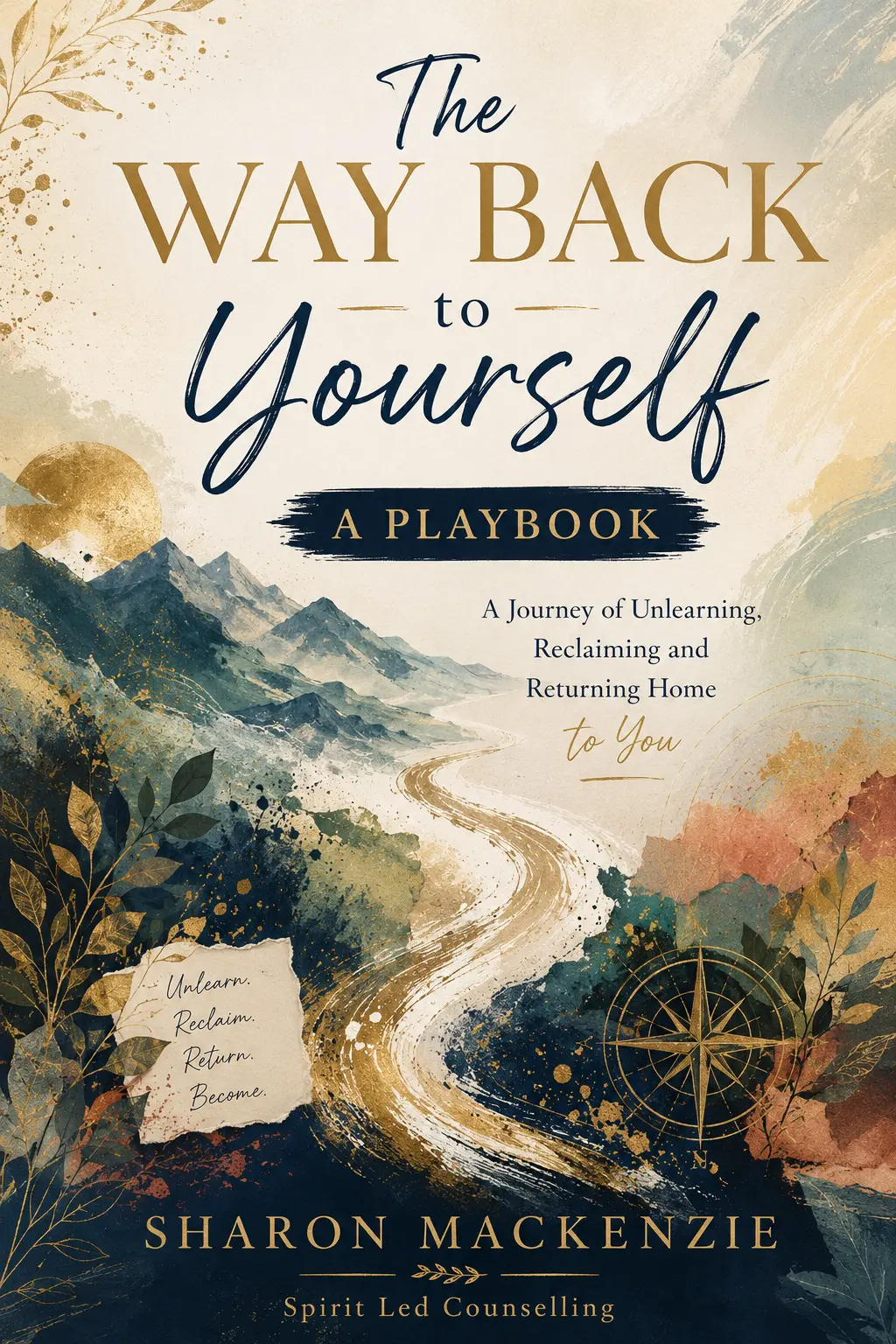
A personal restoration playbook for reclaiming identity, dignity and choice after learning to become smaller to survive a relationship or system.
For: Readers finding their footing after difficult experiences

Anger, humour and honest emotional processing. Gives fury a voice without giving it permission to harm, with deliberate strong language.
For: Readers processing anger and the aftermath of hurt
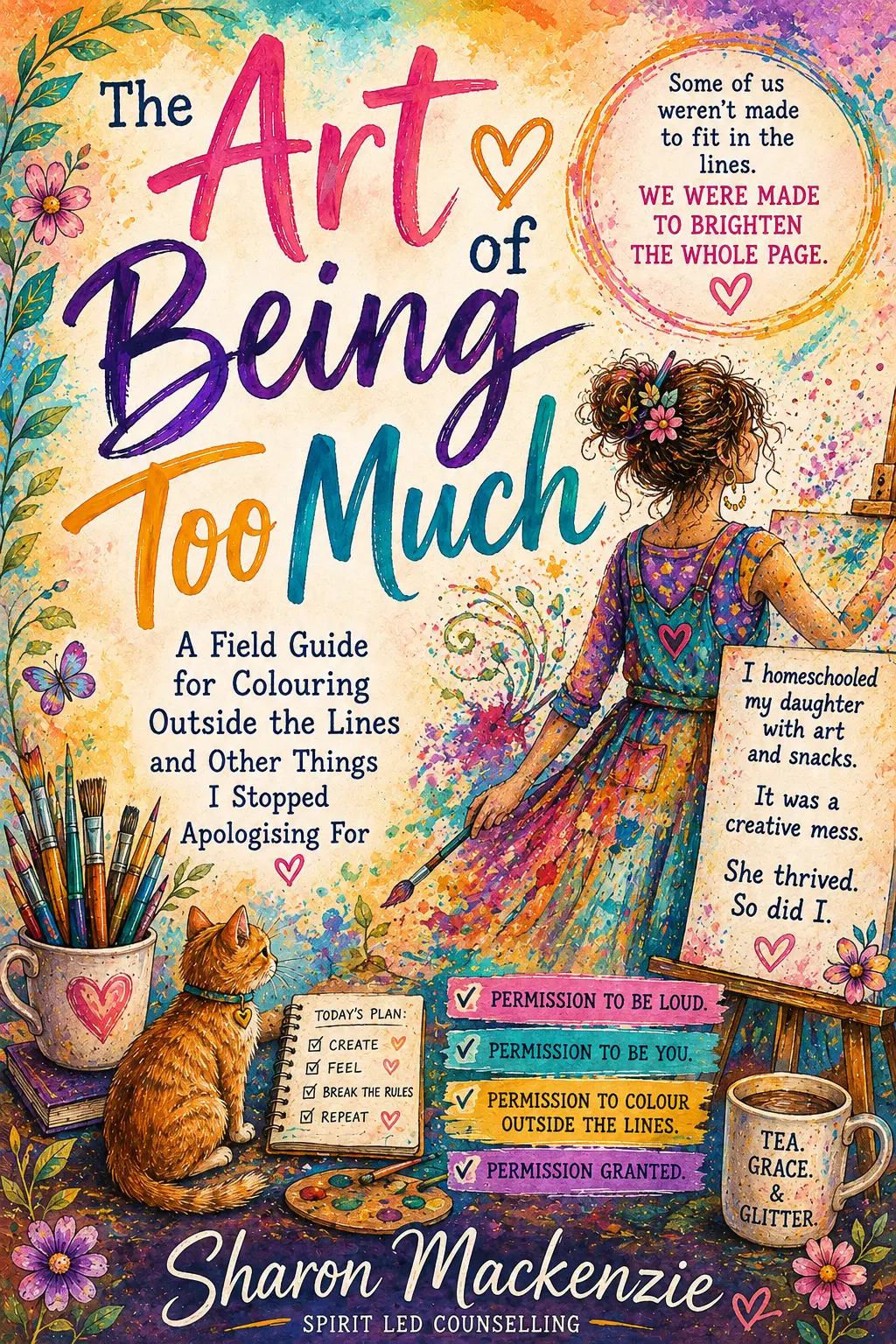
Permission to be yourself without disappearing to fit in. Explores self-expression, dignity and the difference between belonging and blending in.
For: Anyone who has been asked to shrink or hide parts of themselves
Trust and discernment in spiritual community: recognising healthy belonging, facing broken trust and finding a way forward without surrendering dignity or agency.
For: People navigating spiritual community, church hurt or recovery
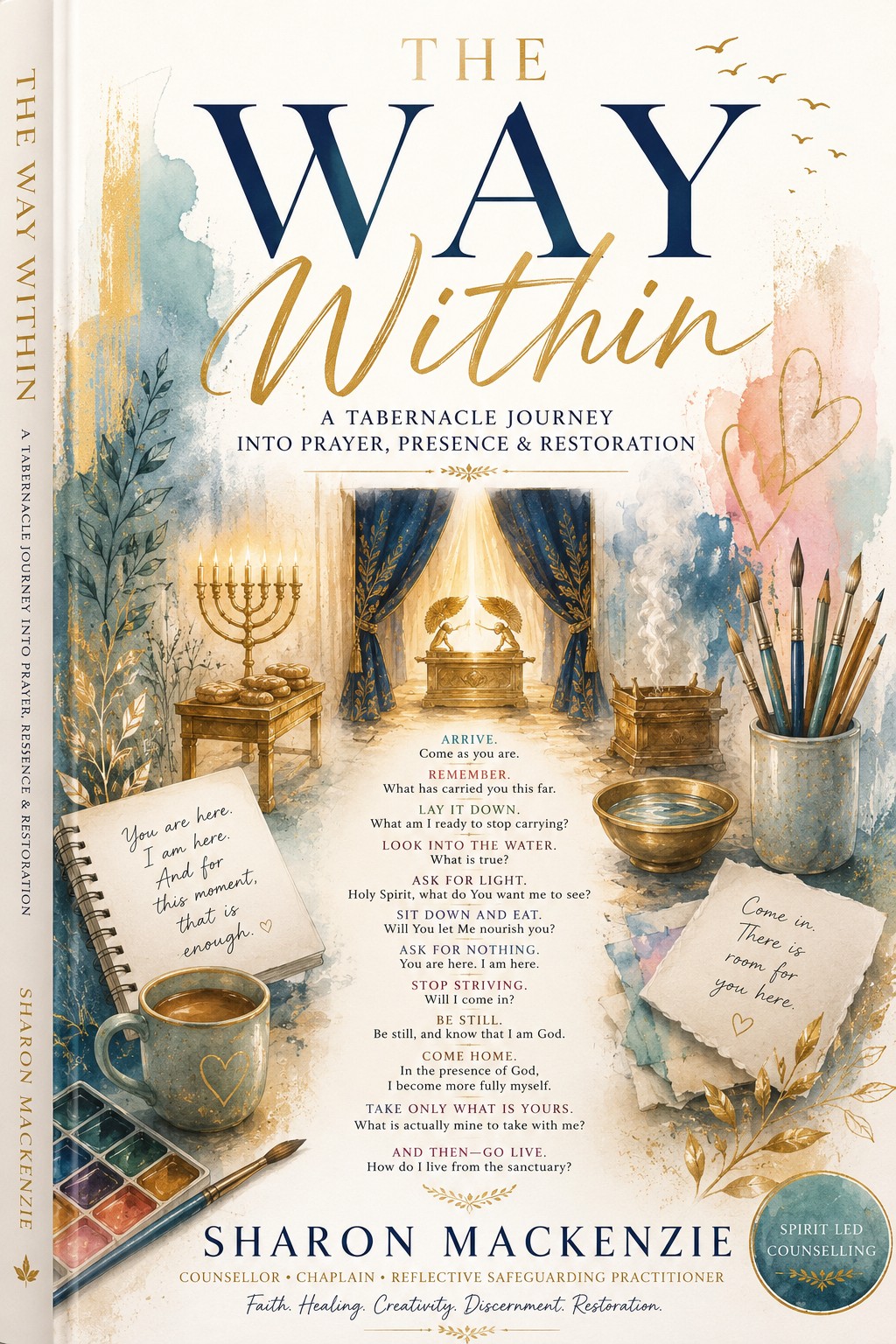
A Christian devotional and creative journey through prayer, presence and restoration, following the tabernacle as an unhurried pattern of reflection.
For: Readers seeking Christian contemplative and creative practice
A narrative map of human systems. Story makes the unwritten rules, quiet power and winding paths of families, communities and institutions easier to see.
For: Readers who find understanding through narrative

A reference library of patterns, systems and practical tools for recognising what happens between people and considering informed choices.
For: Readers and practitioners seeking a reference to return to
Examines how dependency and protection can keep dysfunction alive while invisible, competent rescuers carry the work and its cost.
For: Leaders, teams and people repeatedly carrying others’ responsibilities
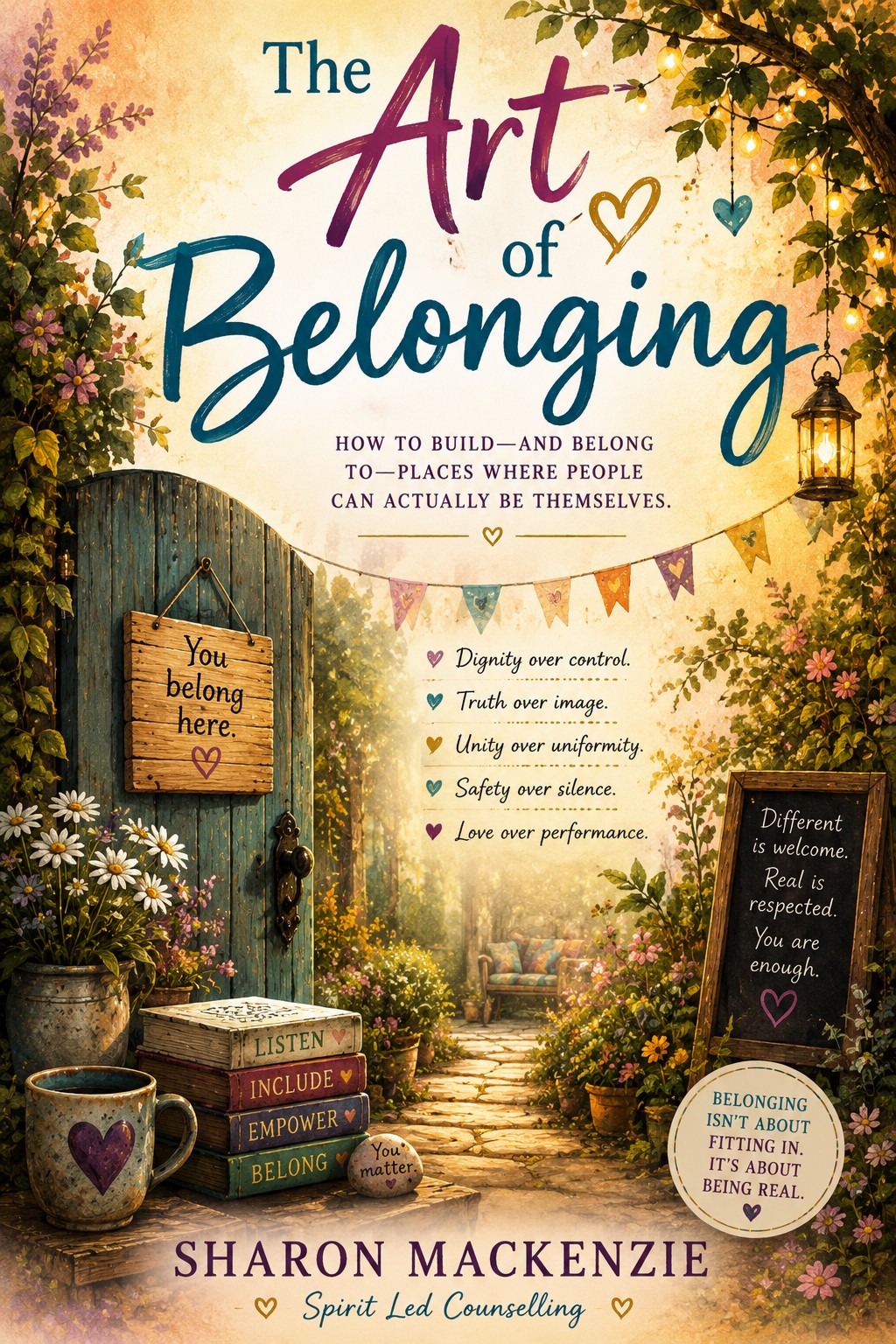
Everyday community practice: communication, inclusion, fairness, conflict and repair that make space for people to be themselves.
For: Community members, families, groups and everyday leaders
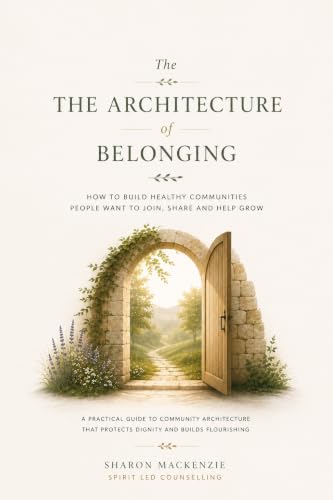
Constructive community design and governance: building the structures, culture and shared responsibility that support dignity and genuine participation.
For: Community builders, organisational leaders and governors
03 · Different roles, shared foundations
These books complement one another. A story can help us see; a reference can help us name; a constructive guide can help us build. One does not replace the others.
Only Institute students read free in The Arcanum. Everyone else needs a paid subscription. Subscribe to The Arcanum.